
Overview
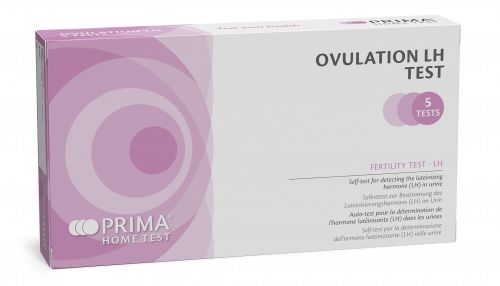
Prima Home Test Ovulation LH Test
Self-test for the detection of luteinizing hormone (LH) in urine
OVULATION & LH:
Ovulation
is the term for the process that usually occurs between the 12th and
16th day of a regular 28-day menstrual cycle. During this process,
hormonal changes activate the ovary to release a fertilizable egg.
The
closer you are to ovulation, the more the body produces an increasing
amount of estrogen, which triggers a sudden increase in another hormone,
called luteinizing hormone (LH), the peak of which causes the follicle
to rupture and the consequent release of the mature egg, ready to be
fertilized. Ovulation usually occurs between 24 and 36 hours after the
LH surge. For this reason, monitoring LH levels in urine is a great
indicator for predicting the time of maximum fertility for a woman.
WHO IS THIS TEST FOR?
OVULATION LH TEST is useful for maximizing the chances of conception if you are planning to start a pregnancy.
Identifying
fertile days gives couples greater flexibility in planning sexual
intercourse according to their lifestyle and additional opportunities to
conceive, thus reducing the pressure the couple may experience when
trying to conceive.
TECH SPECS:
OVULATION LH TEST is a rapid immunochromatographic device that detects LH hormone levels above 25 mUI/mL.
Specificity 97.14%
Sensitivity 100.0%
Accuracy 98.11%
CONTENT:
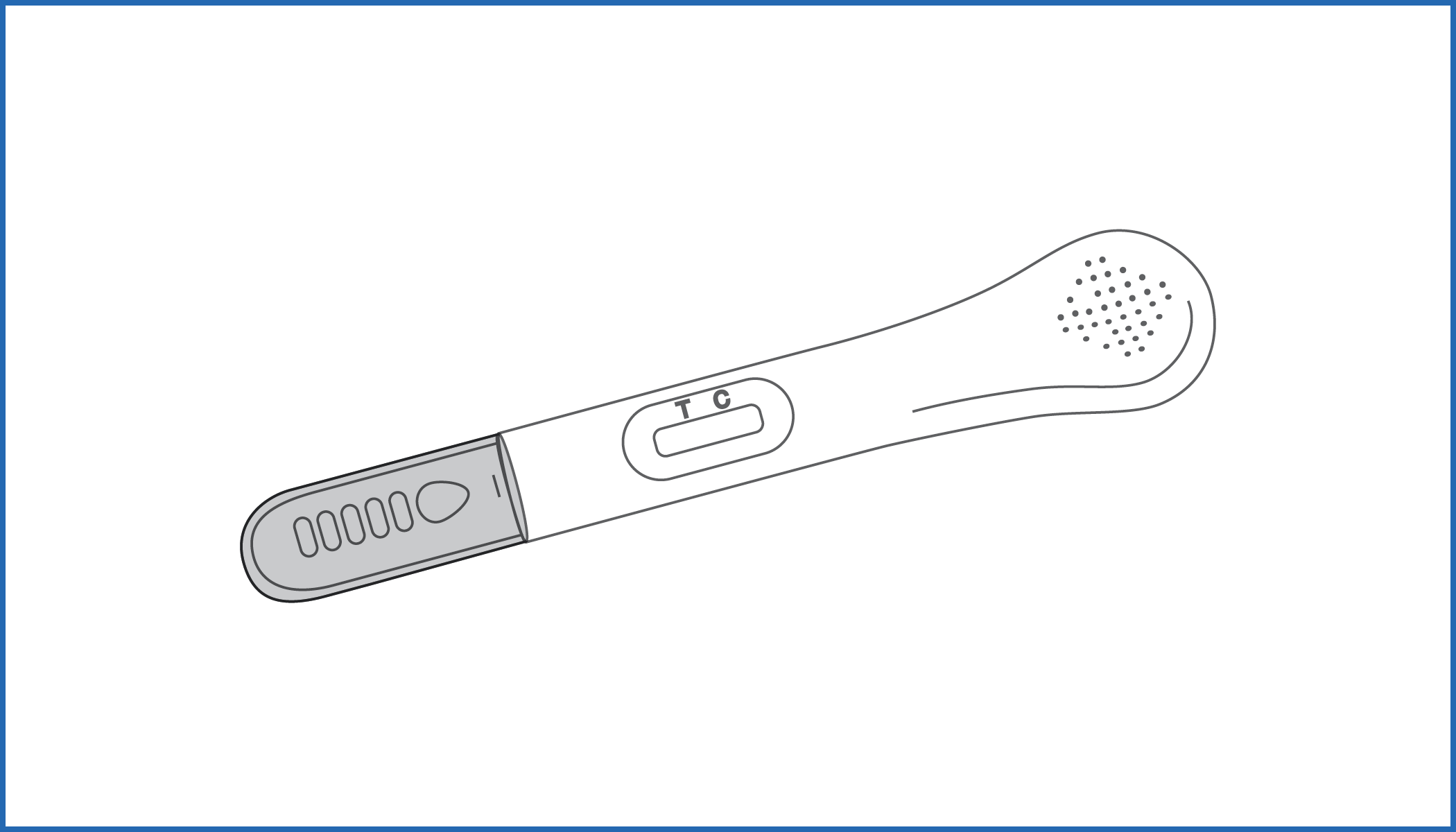
5 spoon devices
instructions for use
USE PROCEDURE:
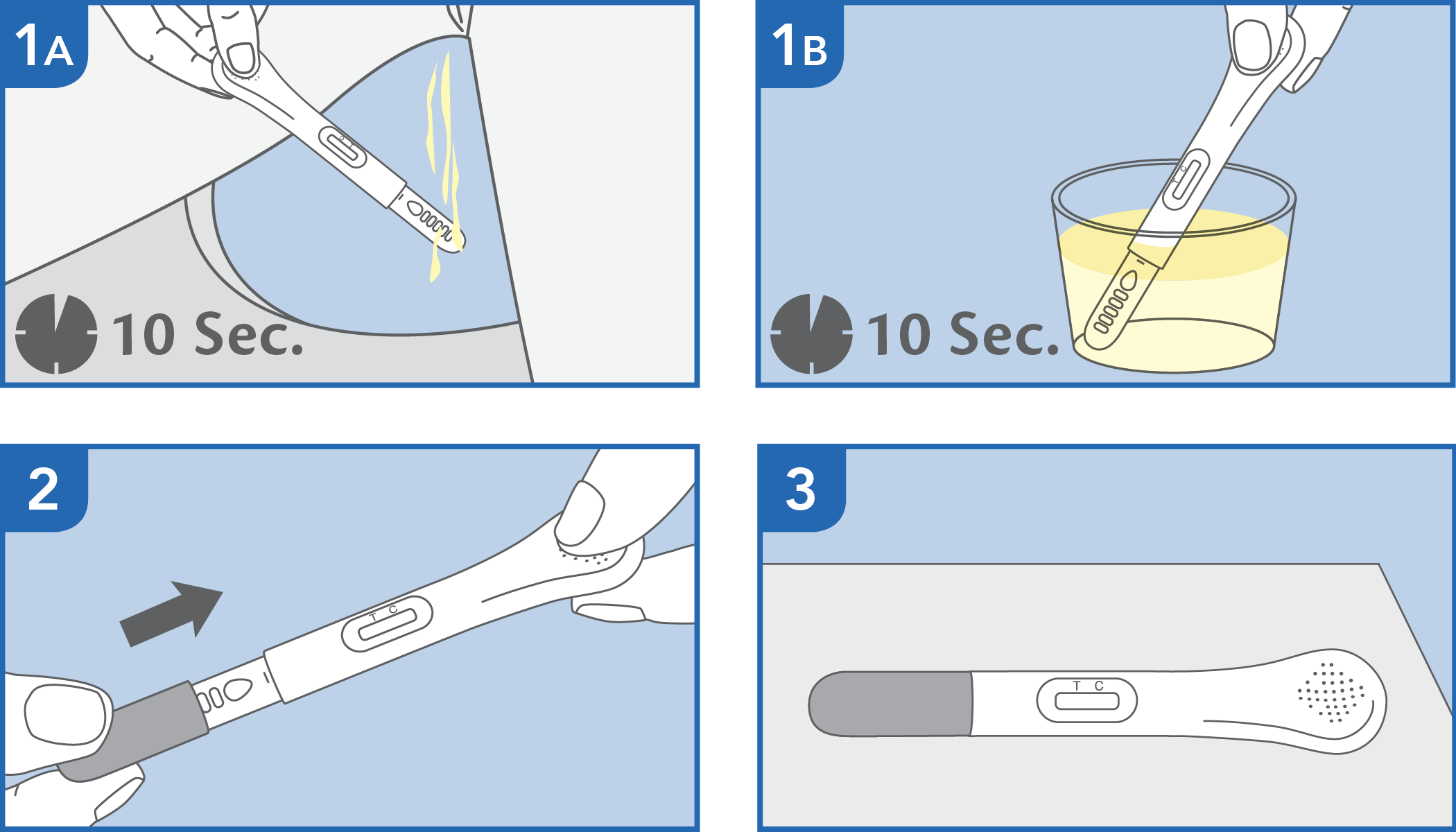
1.Remove the protective cap and place the absorbing tip right under the flow of urine for at least 10 seconds;
2.Alternatively, collect the urine in a clean and dry container and dip the absorbing tip into the urine for 10 seconds;
3.Place the protective cap back onto the spoon device and wait 5 minutes before reading the result.
RESULTS INTERPRETATION:
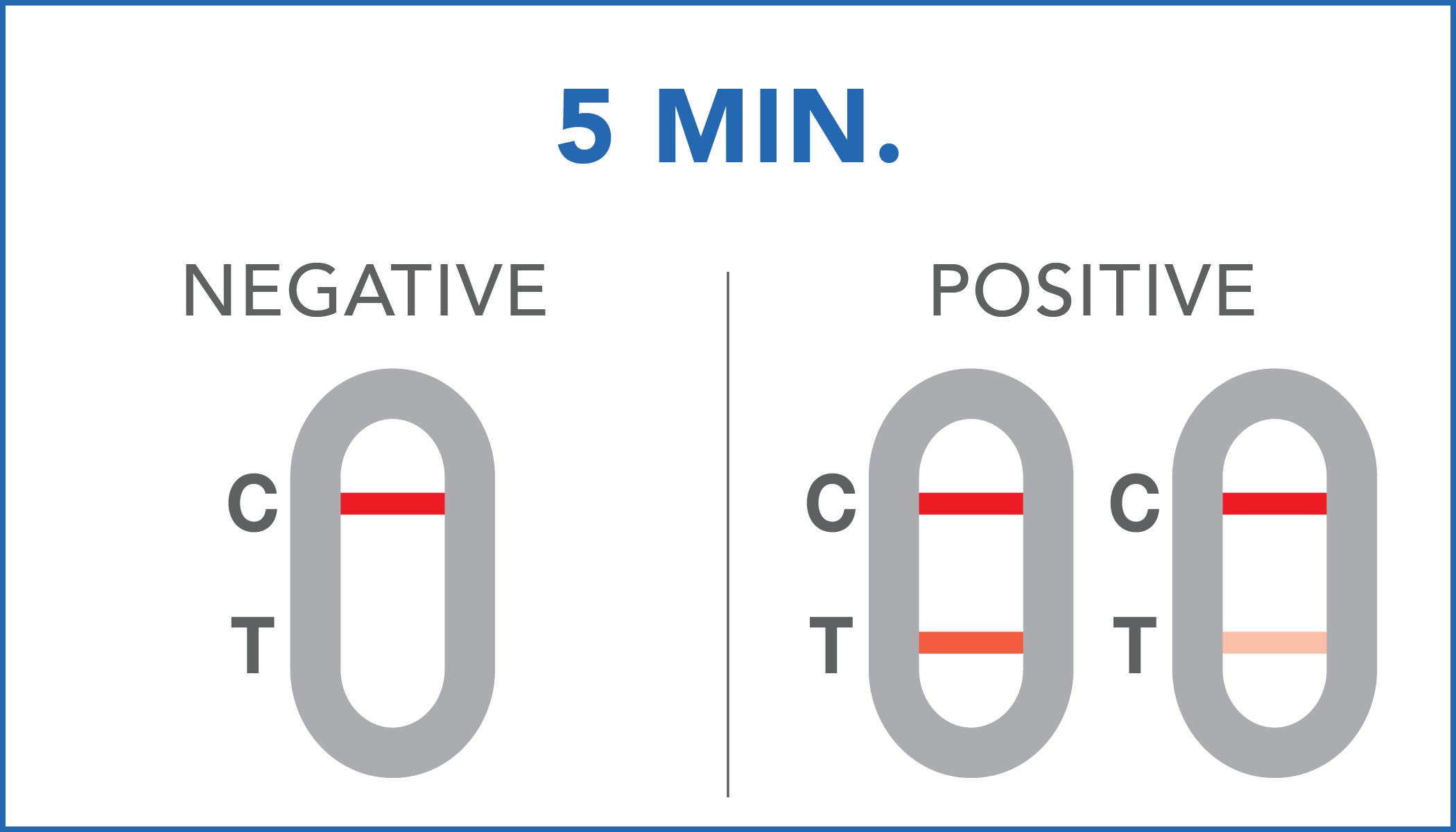
Negative
– LH levels in urine are below the cut-off, which implies that the peak
has not yet been reached. It is advisable to repeat the test daily.
Positive
– the concentration of the hormone LH is equal to or greater than 25
mUI/mL. The ovulatory peak is close and the chances of conception are
greater.
BIBLIOGRAPHY:
1. Su HW, Yi YC, Wei TY, Chang TC,
Cheng CM “Detection of ovulation, a review of currently available
method” Bioeng Transl Med. 2017 May 16;2(3):238-246.
2. Leiva RA,
Bouchard TP. Abdullah SH, Ecochard R.: “Urinary Luteinizing Hormone
Tests: Which concentration threshold best predict ovulation?” Front
public health 2017, 5: 320.
F.A.Q.:
What happens if the results reading time is not met?
The
test has been carried out correctly when the instructions for use are
followed. It includes the reading time and the interpretation of the
results shown at the “RESULTS INTERPRETATION” section of the
instructions for use.
How to prove that the test worked correctly?
A
colored line will appear at the control region (C) on the test device,
showing that the test performed correctly. The absence of the colored
line suggests to repeat the test with a new device and a new sample.
How to interpret the test if the control and test lines have different intensities?
The
color and intensity of the lines do not affect the interpretation of
the result. The test has to be considered positive regardless of the
color intensity of the test line (T).




Reviews
There are no reviews yet.